Blog
Garden for wildlife
06/03/2026
Turning your garden into a wildlife haven is primarily about providing four essentials: food, water, shelter, and safe passage. You don't need a huge space; even a balcony or window box can support local biodiversity.
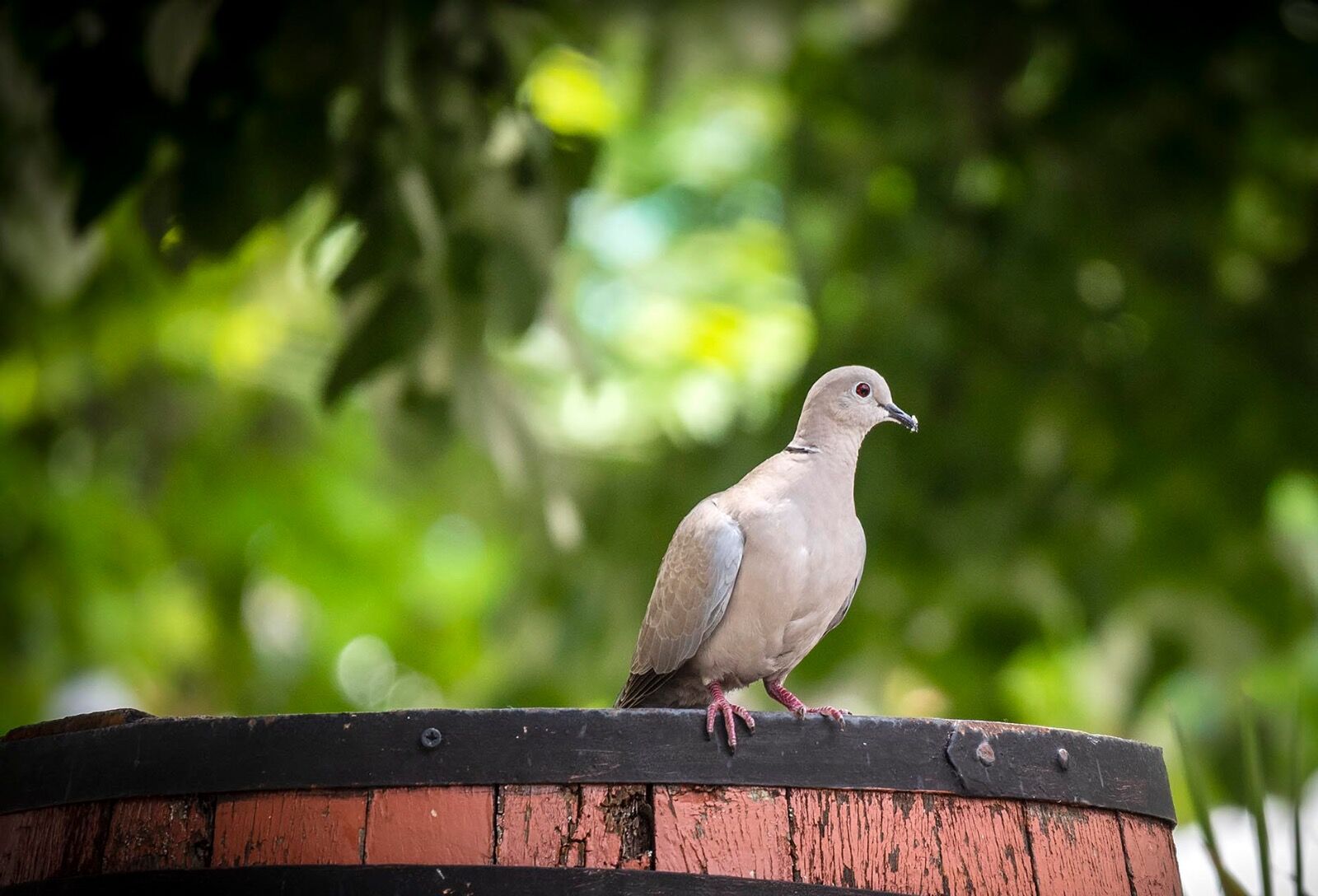
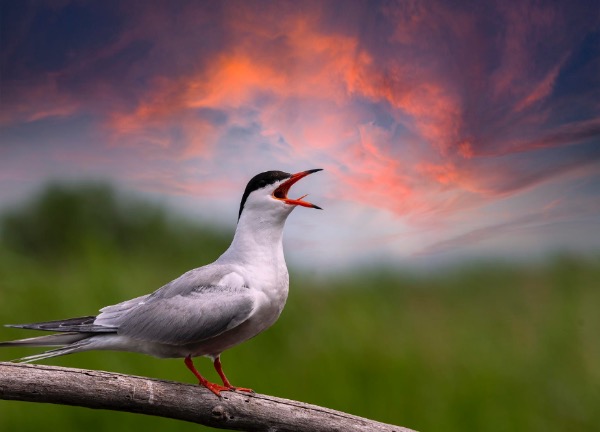
Collered Dove
You don't need a huge space; even a balcony or window box can support local biodiversity.
1. Provide a Water Source
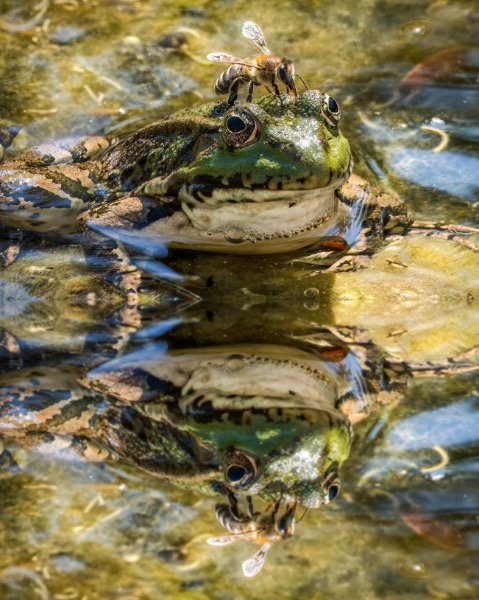
Water is the single most effective way to attract a variety of species, including birds, amphibians, and insects.
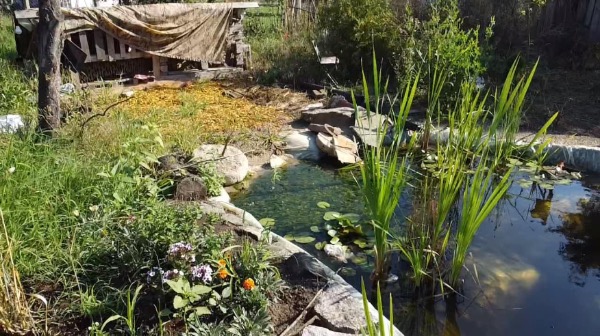
Wildlife Pond: Ideally, dig a pond with at least one sloping side so creatures like hedgehogs can climb out if they fall in. Avoid adding fish, as they eat tadpoles and other beneficial insects.
Small Spaces: If a full pond isn't possible, an inverted dustbin lid, a buried bucket, or a shallow dish of water can be just as effective.
Safety Tip: Place stones in shallow containers so insects can land and drink without drowning.
2. Plant for Every Season
Aim for a garden that provides food (nectar, seeds, and berries) throughout the entire year.
Native Species: Choose plants like Hawthorn, Holly, and Rowan, which have co-evolved with local wildlife to provide familiar food and nesting sites.
1. Provide a Water Source
Water is the single most effective way to attract a variety of species, including birds, amphibians, and insects.
Wildlife Pond: Ideally, dig a pond with at least one sloping side so creatures like hedgehogs can climb out if they fall in. Avoid adding fish, as they eat tadpoles and other beneficial insects.
Small Spaces: If a full pond isn't possible, an inverted dustbin lid, a buried bucket, or a shallow dish of water can be just as effective.
Safety Tip: Place stones in shallow containers so insects can land and drink without drowning.
2. Plant for Every Season
Aim for a garden that provides food (nectar, seeds, and berries) throughout the entire year.
Native Species: Choose plants like Hawthorn, Holly, and Rowan, which have co-evolved with local wildlife to provide familiar food and nesting sites.